
Nitsch Research Initiative
Through our Research Initiative, Nitsch aims to develop a deeper understanding of the issues that will impact our clients and communities, and to discover how we can help solve these issues using new techniques and technologies. Our resourceful teams have partnered with clients and stakeholders to drive a number of major research projects, ranging from quantifying the effectiveness of green infrastructure Best Management Practices (BMPs) to assessing closed drainage design.
Research in Progress: Quantifying the Co-benefits of Green Infrastructure
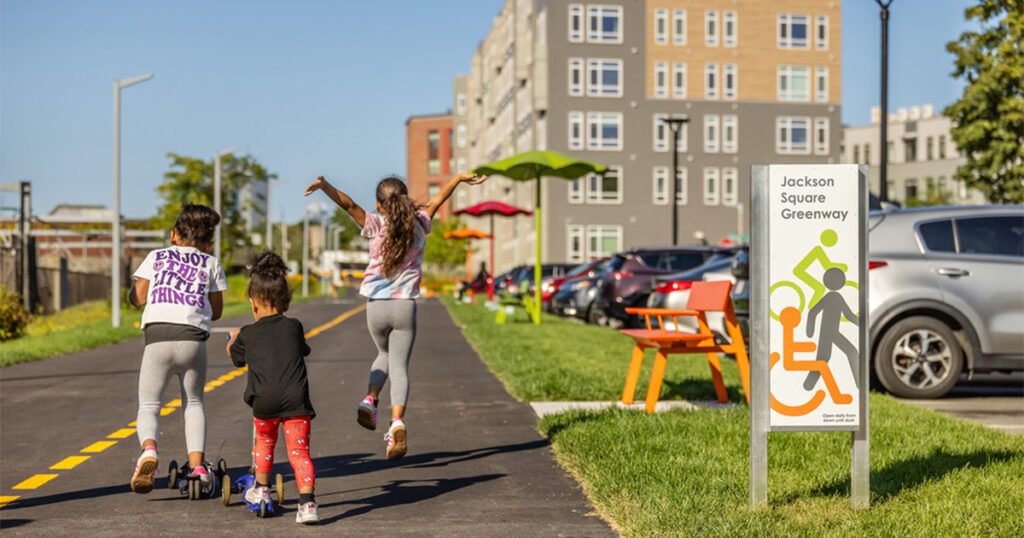
Nitsch Engineering’s current research project explores how green infrastructure can deliver environmental, social, public health, and financial benefits beyond stormwater management. By synthesizing existing research and applying a Triple Bottom Line framework, the project is developing practical tools, case studies, and visual resources to help communities and decision-makers better understand the broader value of green infrastructure. The initiative aims to support more informed, equitable, and sustainable infrastructure investments tailored to the unique needs of different communities.
Nitsch Team: Chanel Jackson (lead), Kathryn Piasecki, Nicole Holmes
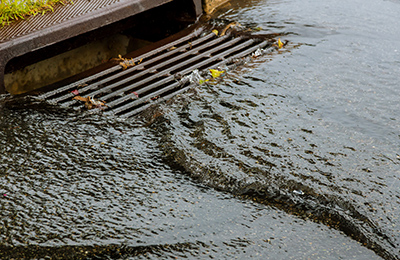
Revisiting Closed Drainage Design in a Changing Climate
As climate change intensifies, the challenges of managing urban stormwater are becoming increasingly apparent. Flash flooding, driven by more frequent and severe storms, poses a significant threat to urban infrastructure, particularly in areas with outdated drainage systems. Nitsch researchers sought to answer the following questions: What are the limitations of our current drainage infrastructure to withstand the impacts of climate change, and should we re-consider how we design traditional components to better accommodate the changing conditions? Further, recognizing the changing and intensifying rainfall conditions, are the widely accepted textbook methodologies and design standards still relevant for designing the infrastructure moving forward?
Nitsch Team: Jennifer Johnson (lead), Jared Gentilucci, Jarrett Zube
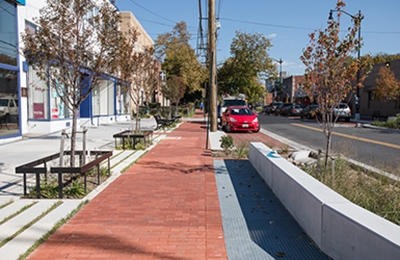
Monitoring Stormwater Performance on Kennedy Street
As part of DC Water’s efforts to use green infrastructure techniques to address Combined Sewer Overflows (CSOs) in the District, the Nitsch Team redesigned one block of Kennedy Street to integrate 33 inter-connected green infrastructure BMPs. To assess the performance of this pilot project, the DC Water Clean Rivers Project implemented a flow metering program led by Greeley & Hanson. The program included continuous flow metering for dry and wet weather for long periods of pre-construction and post-construction conditions. The results of the flow metering program are highly supportive of the use of widespread green infrastructure as a tool to reduce CSOs: on average, wet weather flow volume was reduced by 72% after construction of the green infrastructure projects in the watershed.
Nitsch Team: Nicole Holmes (lead)
In collaboration with: DC Water and Greeley & Hanson
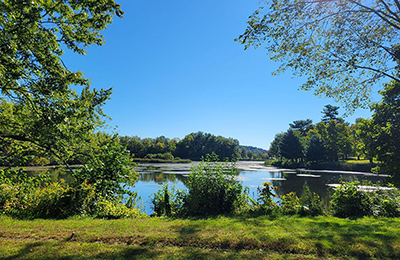
Performing Stormwater Quality Research with WPI
Nitsch has served as technical advisors for multiple capstone projects with civil and environmental engineering students at Worcester Polytechnic Institute (WPI). These research projects included Quantifying the Pollutant Removal Effectiveness of Best Management Practices (BMPs) in Urban Watersheds (2018); New Stormwater Management System Design for the EcoTarium Museum of Science and Nature in Worcester, MA (2019); and Stormwater Quality Protection for Worcester Polytechnic Institute (WPI)’s Townhouse Area: Improving Stormwater Management for the Salisbury Pond Area (2021).
Nitsch Team: Gary Pease (lead)
In collaboration with: Worcester Polytechnic Institute (WPI) Professor Paul Mathison and WPI Student Groups
Evolving Data and Research
Nitsch is always striving to stay ahead of the curve, continuously expanding our research and understanding of climate science/data, modeling and design tools, resilient best practices, sustainable materials, and innovative technologies. We are continuously looking for opportunities to monitor the long-term performance of our designs – learning from the results, calibrating our models, and applying lessons learned into future designs.
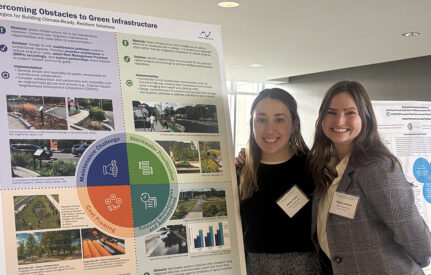
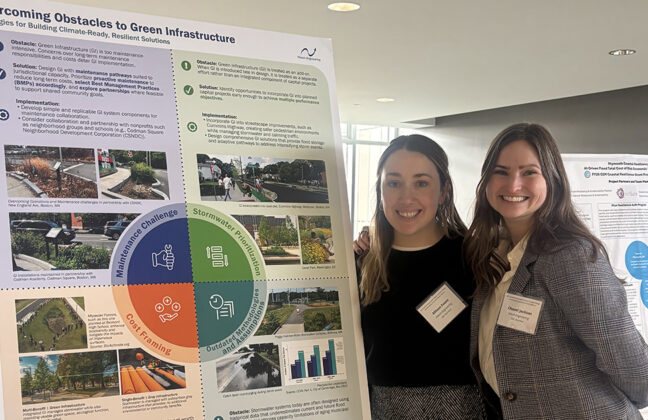
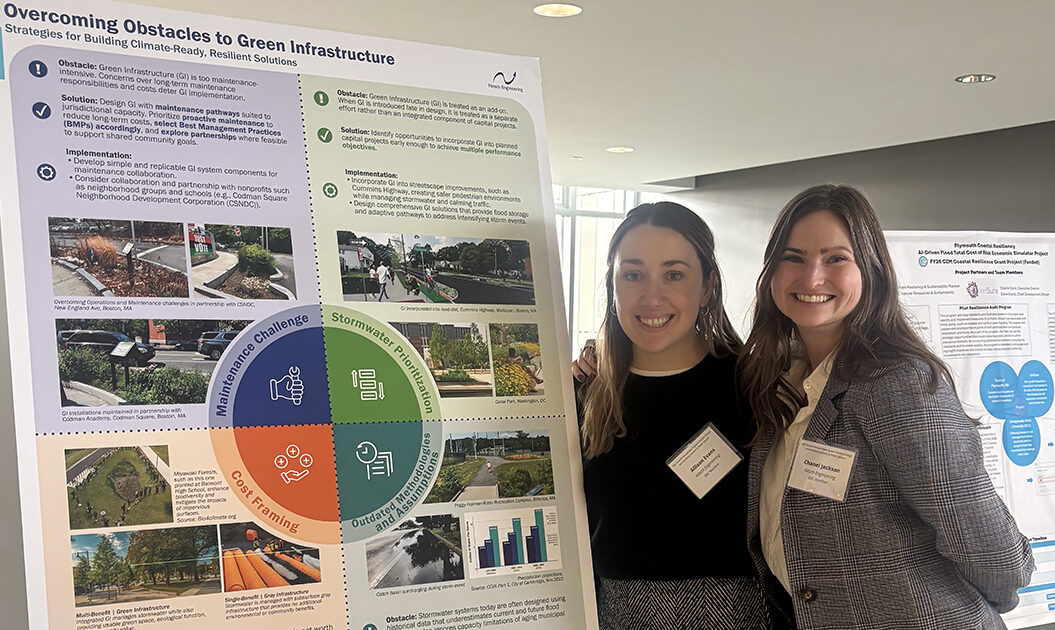
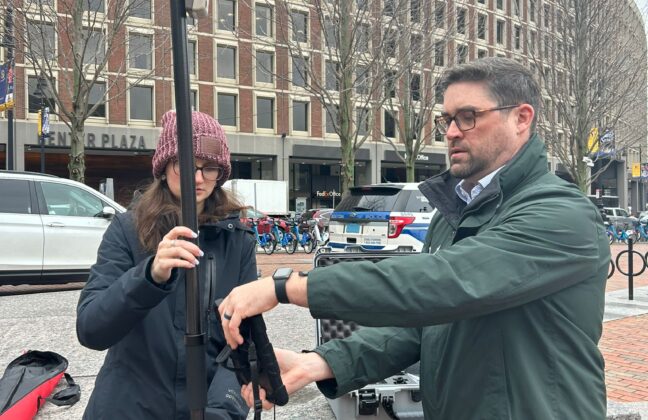
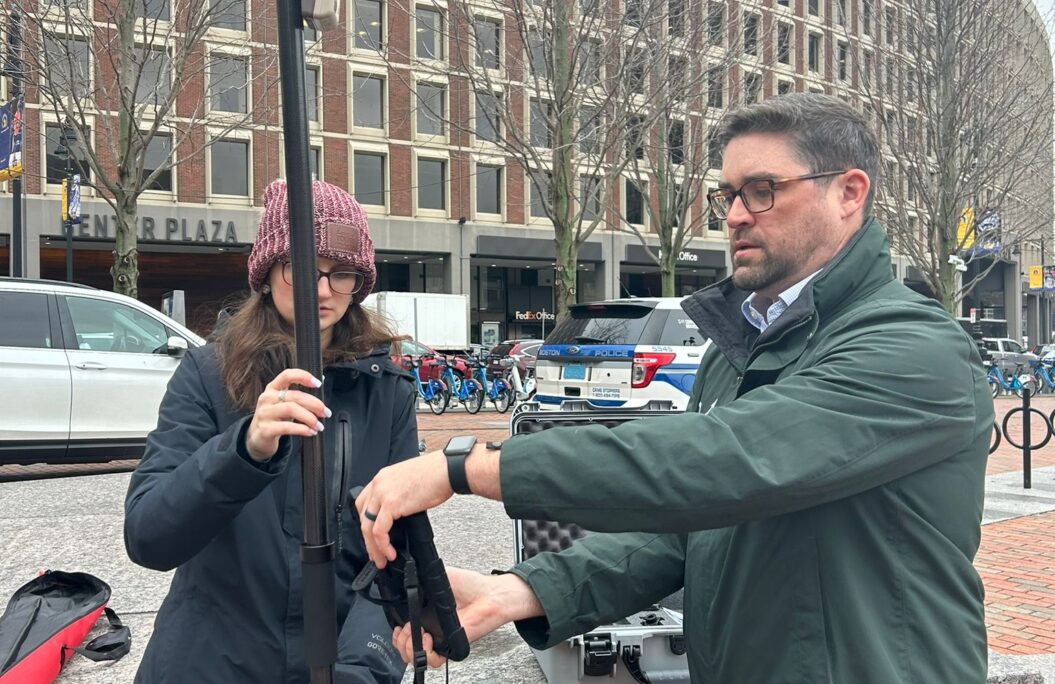
We continuously enhance our internal knowledge through participation in industry groups and through focused area research to support various design projects. Nitsch staff members frequently conduct independent research studies to advance our knowledge and capabilities in technical areas of focus or to support our innovative work on projects. These ad-hoc research projects include desktop research, case studies, and research collaborations with universities. Our thought leaders frequently present on emerging topics at industry events.
Research areas of focus and interest:
- Stormwater metering and monitoring
- Green Roof modeling and stormwater performance
- Climate data research
- Green infrastructure and urban heat mitigation
- Green infrastructure life cycle
- Walk, Bike, and Transit-centric Communities
- Low Carbon materials
- Leveraging landscape to increase carbon sequestration